
France Dumps Palantir: The Sovereign Shift to Domestic Data Intelligence
The French intelligence agency (DGSI) is replacing Palantir with domestic data analytics provider ChapsVision. We dissect the growing EU sovereign AI data regulations and telemetry audits.

France Dumps Palantir: The Sovereign Shift to Domestic Data Intelligence
In a major push for national security and digital autonomy, the French domestic intelligence agency (DGSI) announced on June 16, 2026 that it is officially terminating its reliance on U.S. data analytics giant Palantir. France will migrate its internal data-sifting operations to ChapsVision, a domestic French analytics provider, marking a turning point in the European Union's quest for data sovereignty.
The drive for strategic autonomy
European governments have long faced criticism for hosting critical intelligence and defense data on infrastructure controlled by U.S. companies. With changing trade regulations and strategic borders in 2026, the French government cited concerns over potential access restrictions, foreign telemetry collection, and compliance with local data residency laws as the primary drivers for the shift.
For software developers and system architects, this transition highlights key compliance challenges:
- Data Localization: Enforcing strict database residency rules so that processed telemetry and logs never exit regional borders.
- Access Control Auditing: Building cryptographically signed verification layers that audit where, when, and how network requests are made.
- Independent Infrastructure: Avoiding proprietary vendor lock-in by utilizing open standards for data pipelines and token validations.
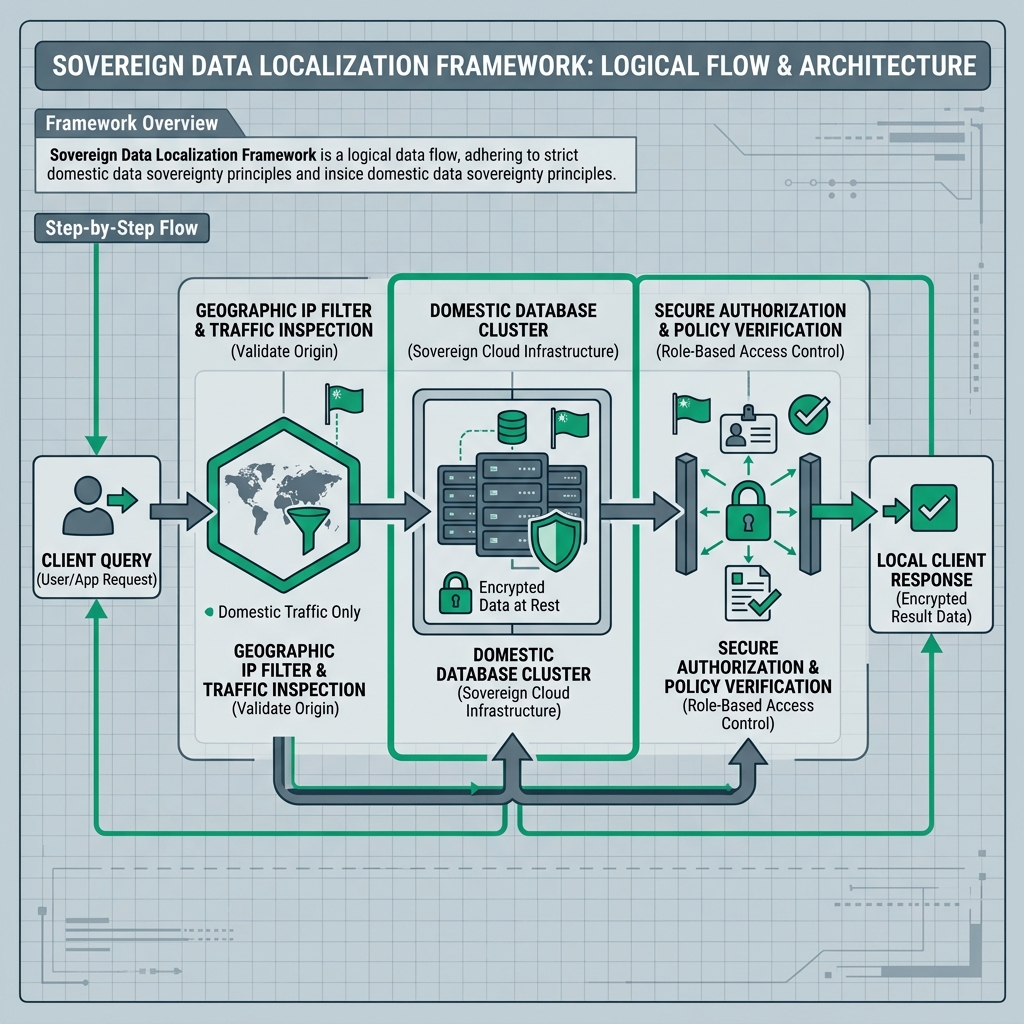
Auditing connection boundaries
To maintain strict security boundaries, applications must verify incoming connection telemetry. A standard practice involves auditing incoming HTTP variables—like timezones, headers, and languages—to check for proxy bypasses or data residency compliance violations. These checks must be backed by secure token validation systems to ensure that API requests originate from approved, authorized nodes.
Conclusion
France's decision to replace Palantir with ChapsVision demonstrates that digital sovereignty is no longer optional for national governments. As data regulations tighten globally, software engineers must design secure, localized data pipelines that prioritize cryptographic validation and client auditability over convenience.
Try it free