
Microsoft Build 2026: MAI-Code-1-Flash and the On-Device Agent Revolution
At Build 2026, Microsoft announced its proprietary family of MAI models, including MAI-Code-1-Flash, pushing agentic developer workflows directly into local computing environments.
Microsoft Build 2026: The Era of Local AI Integration
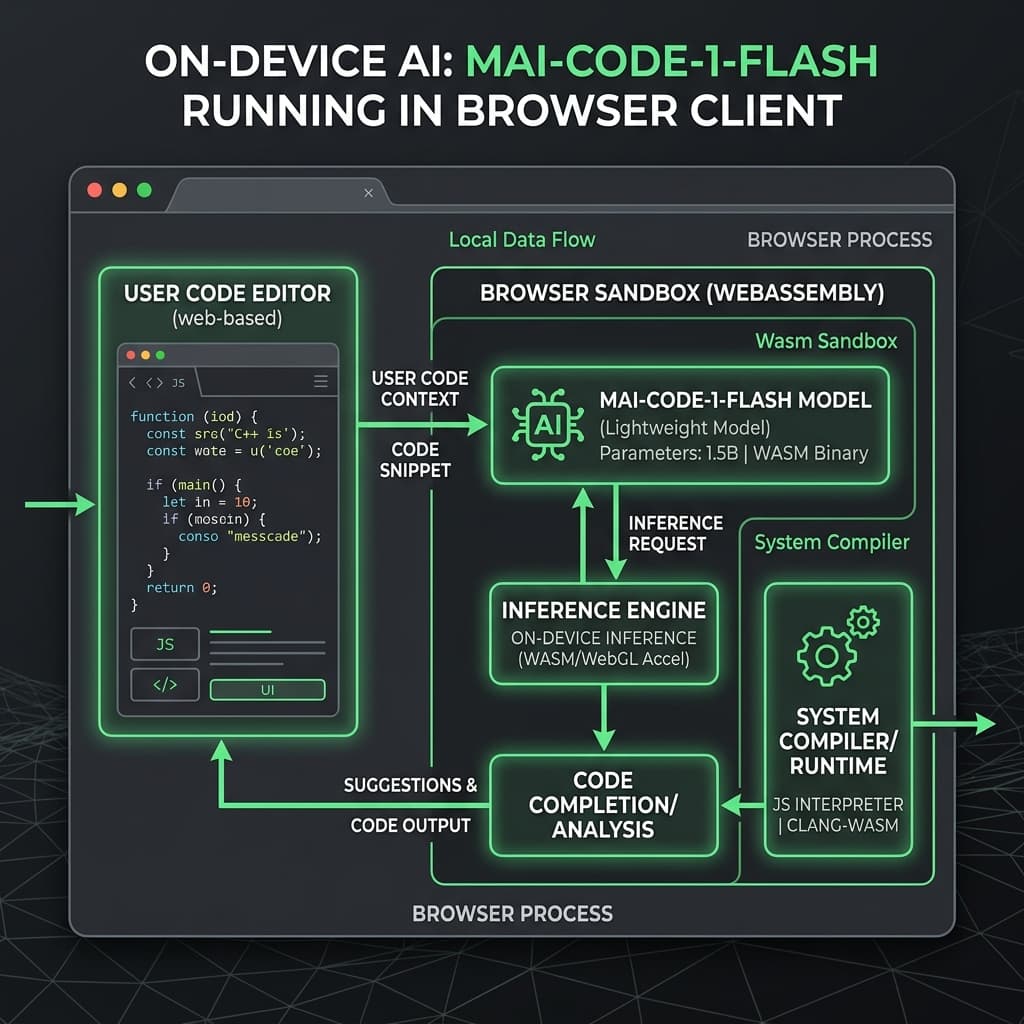
At Microsoft Build 2026, the technology giant made a series of paradigm-shifting announcements, positioning the operating system not just as a host for software, but as a fully integrated agentic runtime. At the center of this transformation is the launch of the MAI model family—Microsoft's proprietary in-house deep learning network series designed for rapid, on-device execution.
For software developers, the standout model is MAI-Code-1-Flash, a lightweight coding intelligence engine optimized to run locally on standard hardware. This represents a massive step toward private, offline software synthesis, drastically reducing latency and dependency on heavy cloud-based LLM APIs.
The Capabilities of MAI-Code-1-Flash
While giant models handle complex system architecture in the cloud, MAI-Code-1-Flash is optimized to run locally in the background. It intercepts code files, runs real-time structural analysis, and executes auto-repair operations. Key capabilities include:
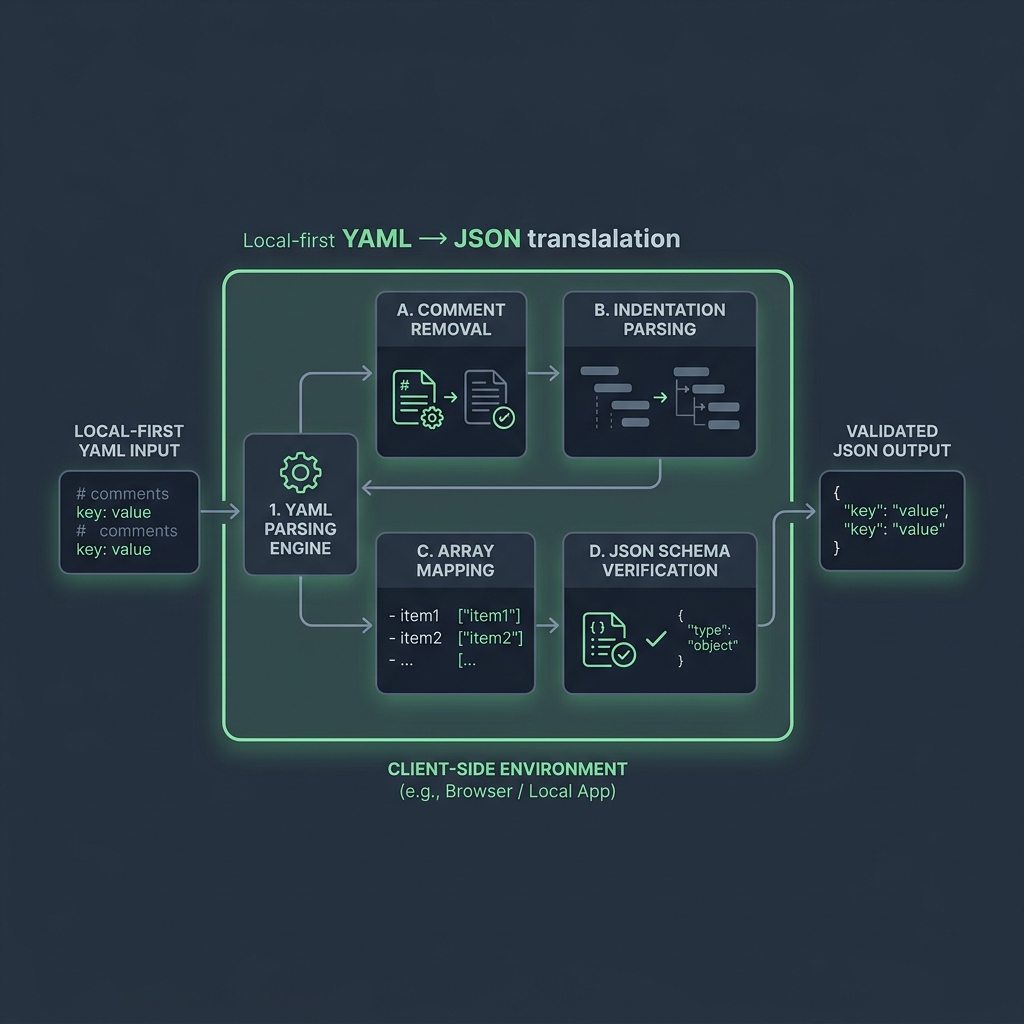
- Bidirectional Config Parsing: Real-time translation between complex nested variables, such as translating Kubernetes manifests from YAML to JSON instantly without networking overhead.
- Client Telemetry Inspections: Automatic header mapping and User-Agent diagnostics, helping developers inspect viewport issues locally during debugging sessions.
- Offline Syntax Checkers: Catching parameter mapping issues and missing fields prior to committing code.
A Shift to Agentic Workspaces
Microsoft also announced the release of the GitHub Copilot desktop application, serving as a centralized dashboard to deploy autonomous software agents. Instead of acting as simple auto-complete assistants, these agents are capable of multi-step execution. They can read local files, modify configurations, run local test builds, and refactor code based on terminal compiler logs.
Conclusion
Microsoft Build 2026 marks the boundary where AI transitions from a remote conversational novelty to a persistent, local daemon. By combining specialized small language models with operating system integration, developers can execute coding logic, inspect clients, and format structures at near-zero latency.
Try it free